know-how
19.08.2026
When Rolling Bearings Reach Their Limits: Solutions for Extreme Temperatures
What actually happens when a rolling bearing gets significantly hotter than it’s designed to handle? In most cases, it’s not the steel that fails first, but rather the lubricant, seal, or cage. Between -20 °C and +120 °C, this is hardly noticeable. However, if the temperature rises significantly higher, standard bearings are often no longer sufficient. That’s when special designs are needed. That’s exactly what this article is about: which components are critical and what solutions are available.
What Gives Out First at High Temperatures
When the temperature rises above about 120 to 150 °C, most standard greases begin to degrade. They harden, the base oil evaporates, and the lubricating effect noticeably decreases. The result is increased wear and, in the worst case, metal-to-metal contact between the running surfaces.
At almost the same time, polyamide plastic cages also come under stress. Above approximately 120 to 140 °C, they lose their dimensional stability. Standard seals made of NBR rubber also harden, crack, or lose their sealing effectiveness. If the temperature remains high for an extended period, the material properties of the bearing steel itself are also altered. The consequences include a loss of hardness, dimensional changes, and a noticeably shorter service life.
What this means for operations
To prevent exactly that, manufacturers have significantly expanded their range of high-temperature bearings over the years. The basic design usually remains the same: The main dimensions correspond to those of standard bearings, so replacement is possible without any design changes. The differences lie in the materials, bearing clearance, lubricant, and seal.
The TOPLINE series from NTN-SNR demonstrates just how varied the solutions can be. Depending on the combination of temperature and speed, a suitable design is available—ranging from bearings for continuous operation at 150 °C to special designs that still run reliably even at 350 °C, though only at very low speeds.
In practice, it is precisely this balance between temperature and speed that determines which model is suitable.
SKF takes a similar approach to other manufacturers with its high-temperature bearing housings, but focuses on maintenance-free operation rather than maximum speeds. Externally, they differ very little from standard bearing housings in the YAR 2-2F series.
The key difference becomes apparent only during operation: Non-contact centrifugal discs protect the bearing from dirt without generating additional friction. At the same time, a graphite-based lubricant ensures that the bearing remains operational throughout its entire service life, even at temperatures up to 350 °C. Relubrication is not required.
For users, this means one thing above all else: less maintenance and longer uptime without the need for intervention.
When it gets cold, on the other hand
In extreme cold, the problems associated with heat are almost reversed. Lubricants thicken or lose their fluidity, the starting torque increases, and friction rises. At the same time, materials become more brittle, increasing the risk of cracking. Metallic components shrink, which can alter fits and bearing clearances. In the worst-case scenario, the bearing seizes up completely.
Special low-temperature greases with low viscosity—that is, particularly thin lubricants that remain fluid even in cold conditions—help address this issue. In addition, bearing clearances and materials are optimized. Stainless steel or ceramic components ensure high dimensional stability and good corrosion resistance. One example is the LT series from NTN-SNR, designed for temperatures as low as -60 °C and also resistant to moisture. That is why it is used in agriculture, the food industry, and in cable cars for winter sports.
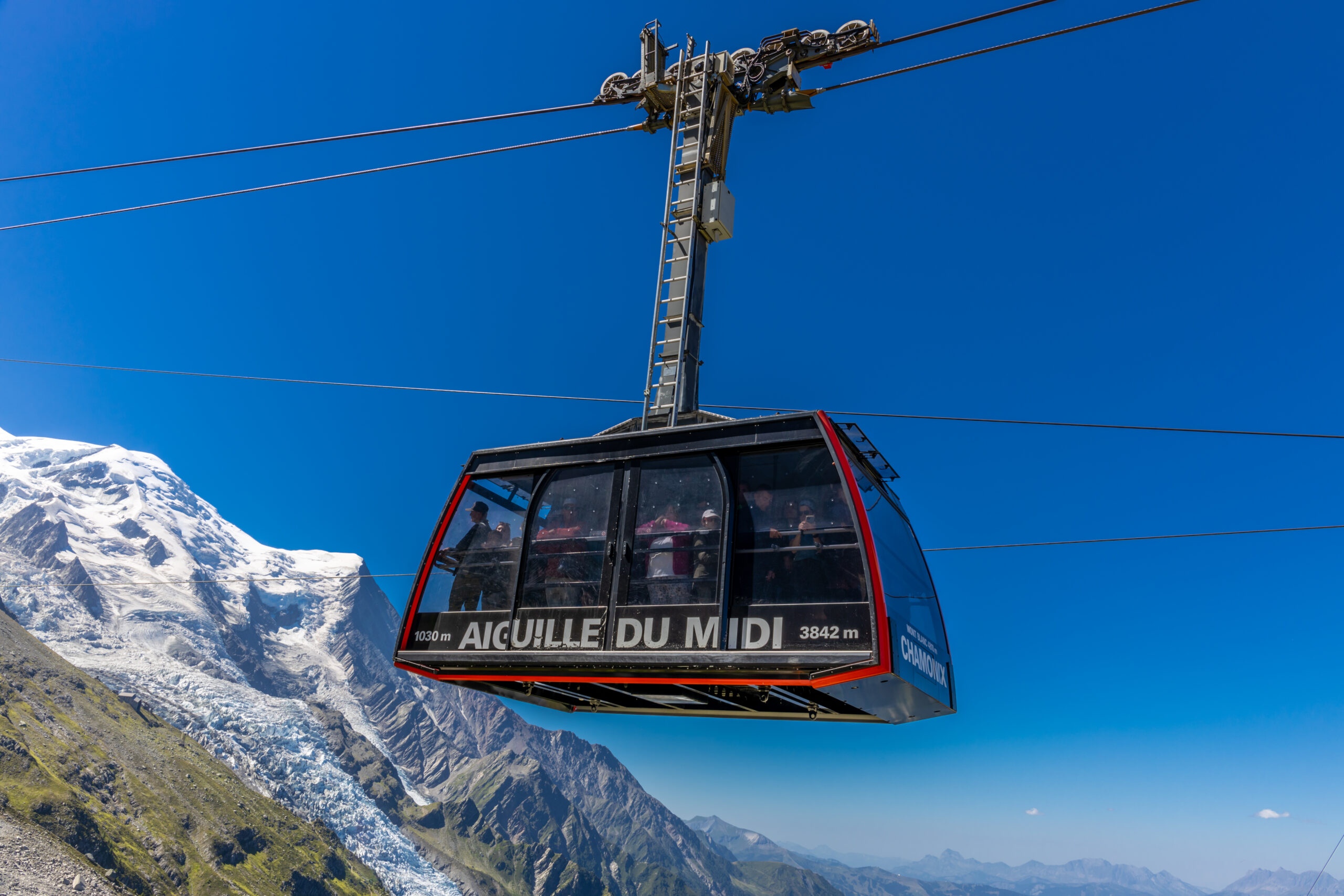
Real-world example: the cable car to the Aiguille du Midi
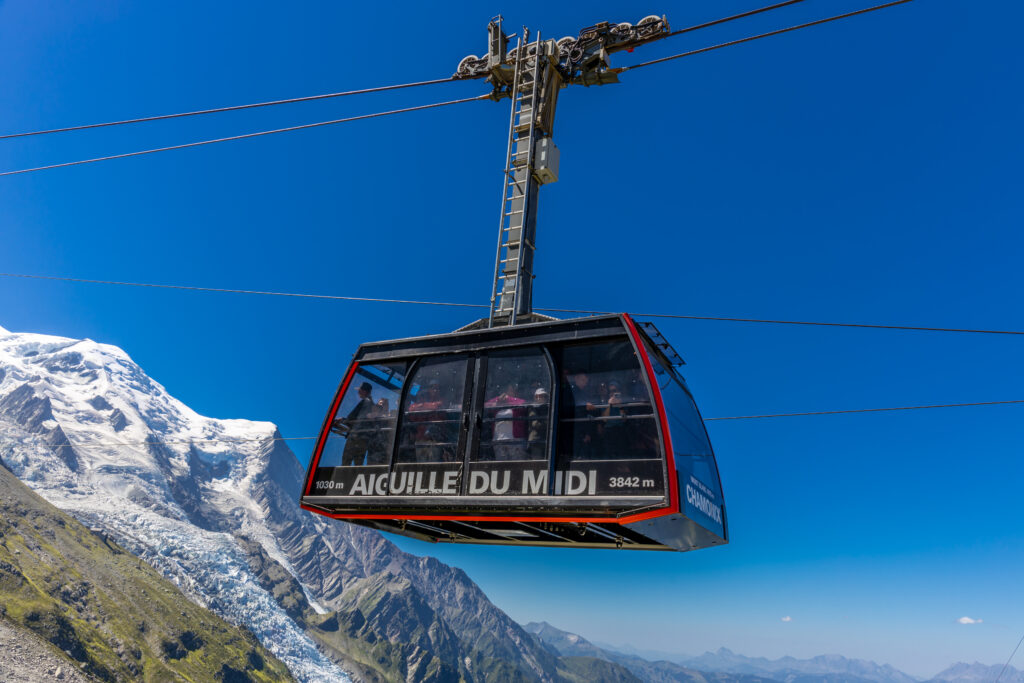
The cable car to the Aiguille du Midi in the French Alps, at an elevation of 3,842 meters, demonstrates just how demanding low-temperature applications can be in practice. Approximately 440 bearings from NTN and SNR are installed there. They must continuously withstand extreme cold, humidity, condensation, snow, and ice, without anyone being able to intervene quickly at this altitude.
This is made possible by special seals and low-viscosity, low-temperature greases. As a result, starting forces remain low even in extreme cold. Even after a cold night, the bearings start up reliably and ensure that the cable car remains in safe operation, whereas standard bearings would often reach their limits under such conditions.
Price and Availability
Extreme temperatures place special demands on rolling bearings, and this is also reflected in their price and availability. Special materials, lubricants, and seals increase manufacturing costs, while demand is significantly lower than for standard bearings. Consequently, high- and low-temperature bearings are usually more expensive and not always available on short notice. In practice, this often means longer delivery times and higher procurement costs.
Conclusion
Conditions become extreme for rolling bearings as soon as they have to operate significantly outside the range of -20 °C to +120 °C. The greatest weaknesses rarely lie in the steel itself, but rather in the lubricant, seals, cage, and bearing clearance. Modern specialty bearings address these challenges with optimized materials, specialized lubricants, increased bearing clearance, and well-designed sealing concepts. Ultimately, both factors are crucial: the right temperature resistance and the appropriate rotational speed for the specific application.